- Posted By Admin
- Aug 06, 2026
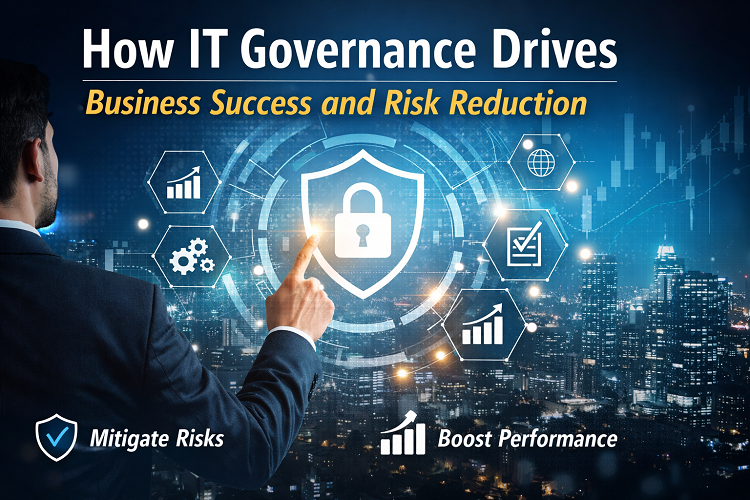
In today’s digital-first world, organizations rely heavily on technology to operate, innovate, and compete. However, with this increasing dependency comes greater exposure to risks such as cyber threats, data breaches, regulatory penalties, and operational inefficiencies. This is where IT Governance plays a critical role.
IT Governance is not just about managing IT systems—it is about aligning technology strategies with business goals, ensuring compliance, and minimizing risks while maximizing value. Organizations that implement strong IT governance frameworks are better positioned to achieve sustainable growth, improve decision-making, and protect their assets.
IT Governance refers to the set of policies, processes, and structures that ensure IT investments support business objectives. It provides a framework for accountability, decision-making, and risk management in the use of technology.
Key components of IT Governance include:
IT Governance ensures that organizations can effectively align technology initiatives with business goals while maintaining efficiency and reducing risks.
One of the biggest challenges organizations face is ensuring that IT initiatives directly contribute to business goals. IT Governance bridges this gap by aligning IT strategies with organizational priorities.
Impact:
With structured processes and defined roles, IT Governance reduces redundancy and improves workflow efficiency.
Benefits:
IT Governance provides a structured approach to evaluating IT investments and risks. This enables leadership teams to make informed, data-driven decisions.
Example: Organizations can prioritize projects that deliver maximum business value instead of investing in low-impact initiatives.
With increasing regulations around data privacy and security, compliance is no longer optional. IT Governance ensures that organizations adhere to legal and industry standards.
Key Areas:
Implementing IT Governance frameworks significantly reduces various business risks and ensures long-term sustainability.
A strong IT governance framework ensures that security policies are implemented and regularly updated to counter evolving cyber threats.
Outcomes:
Poor IT decisions can lead to wasted investments and financial losses. IT Governance ensures that every investment is evaluated for value and risk.
Result:
IT Governance frameworks include disaster recovery and business continuity planning, ensuring that operations can continue during disruptions.
Benefits:
Clearly defined roles and responsibilities ensure accountability at every level of the organization.
Impact:
Organizations often adopt globally recognized frameworks to implement IT Governance effectively:
These frameworks provide best practices for managing IT systems, ensuring security, and achieving business alignment.
To successfully implement IT Governance, organizations should:
As businesses continue to embrace digital transformation, IT Governance will become even more critical. Emerging technologies such as AI, cloud computing, and IoT introduce new opportunities—but also new risks.
Organizations must evolve their governance strategies to:
IT Governance is no longer a luxury—it is a necessity for modern organizations. By aligning IT with business objectives, improving efficiency, and reducing risks, IT Governance plays a crucial role in driving long-term success.
Companies that invest in strong governance frameworks not only protect themselves from potential threats but also gain a competitive advantage in the marketplace.
If you're looking to build expertise in IT Security and Governance and advance your career, now is the perfect time to start.
Gain in-demand skills, industry-recognized knowledge, and practical insights with professional training programs designed for real-world success.
👉 Explore IT Security and Governance Certification Training
Take the next step toward becoming a certified IT Governance professional and future-proof your career today!
In 2026, enterprise IT environments have become more complex than ever. Organizations are embracing hybrid multi-cloud strate...
This article provides a comprehensive overview of SIAM (Service Integration and Management) and its growing importance in man...
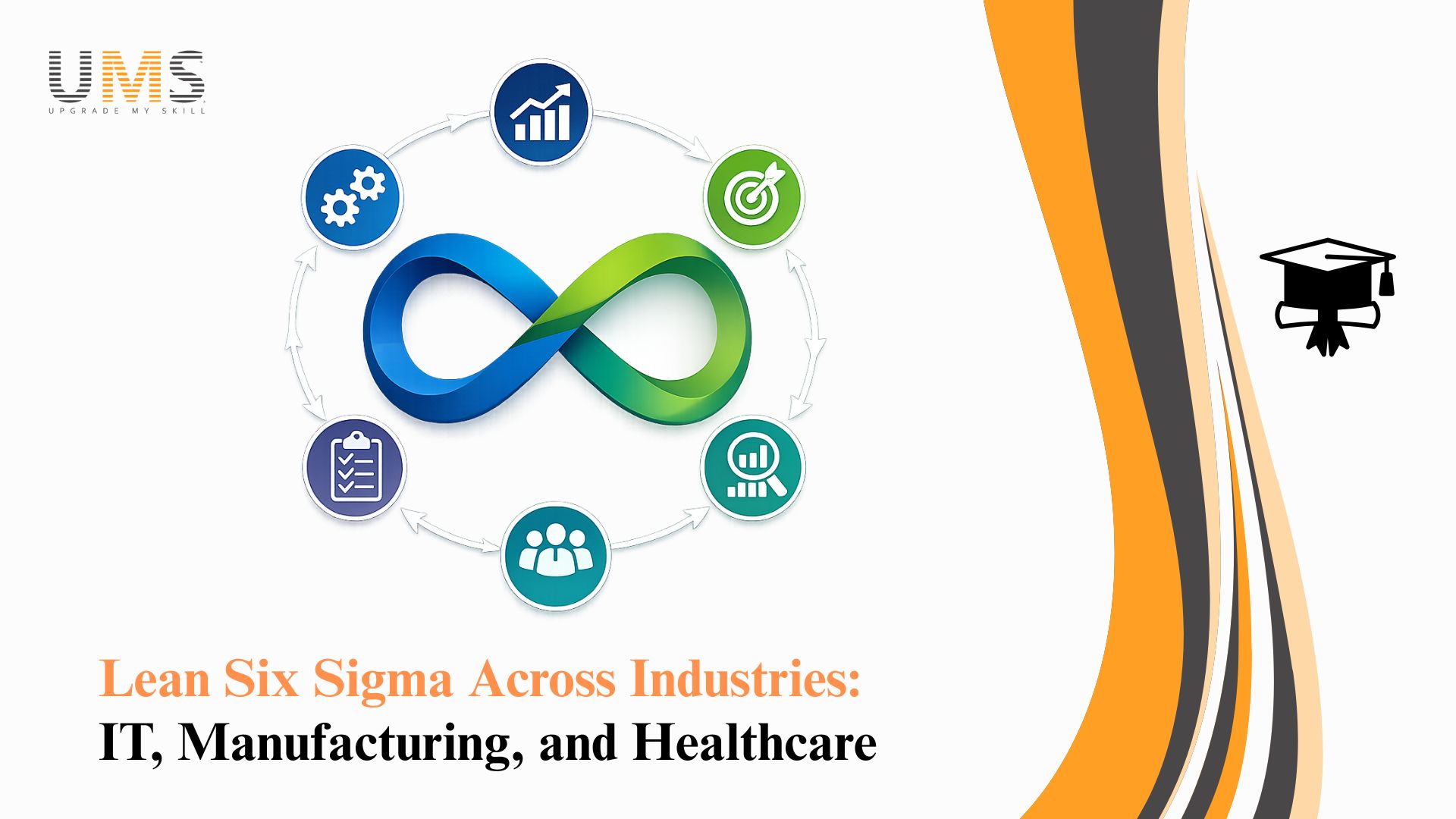
This article explores how Lean Six Sigma drives operational excellence across IT, manufacturing, and healthcare by improving...