- Posted By Admin
- Dec 08, 2025
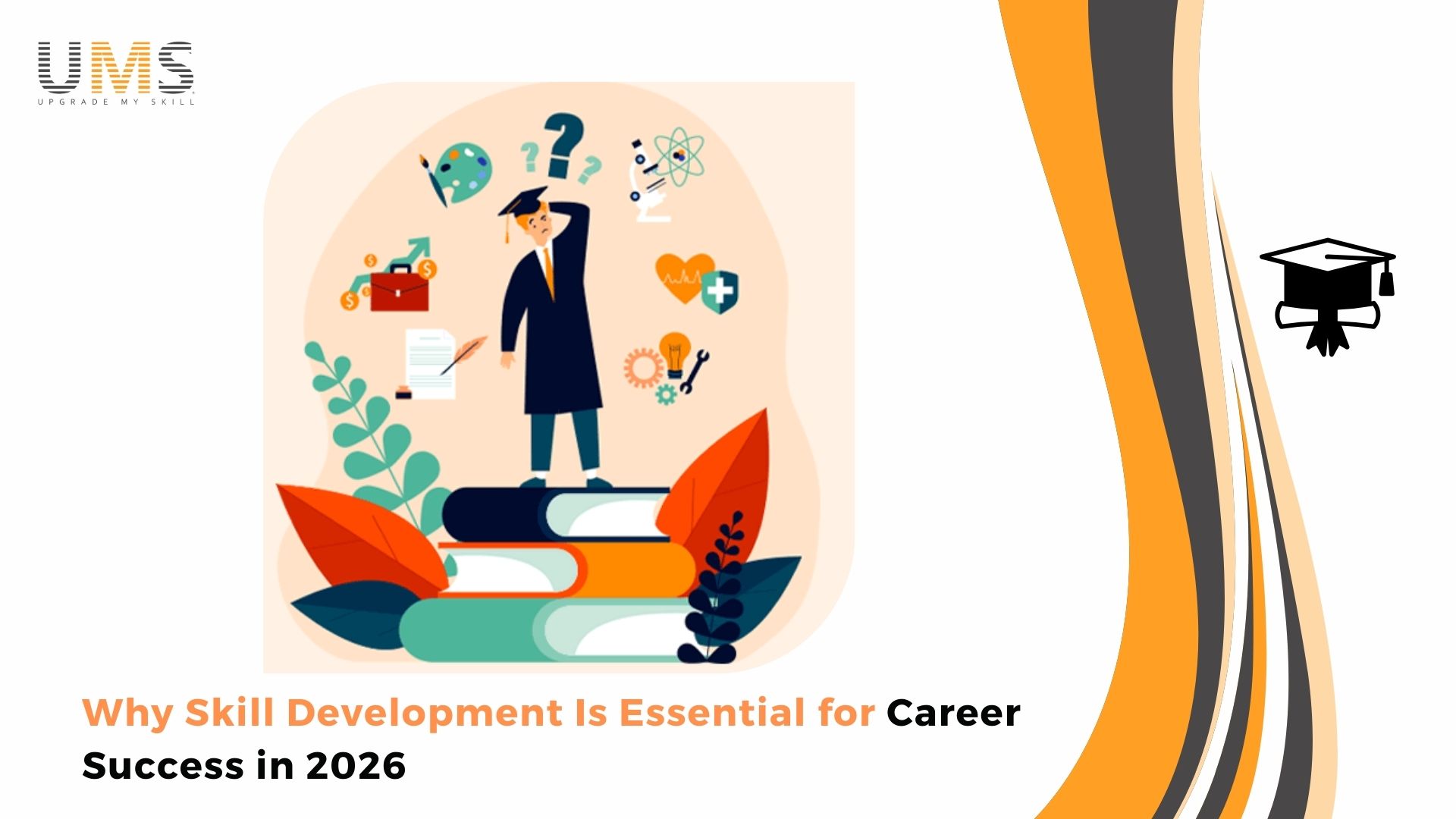
The world of work is transforming faster than ever. Emerging technologies, automation, AI tools, cloud computing, digital transformation, and evolving business needs have changed the skills employers expect from professionals. In 2026, skill development is no longer optional—it is a necessity for career survival, growth, and long-term success.
Whether you’re a beginner, mid-level employee, or senior professional, continuous learning has become the most important investment you can make in your future. It helps you remain relevant, competitive, and ready for new opportunities that appear every year.
In this article, we explore why skill development is essential in 2026, how it affects your job success, and what steps you can take to stay ahead in your career.
The number of skilled candidates is increasing. Employers are looking for people who bring more value than just a degree. They want professionals who:
Skill development helps you stand out among hundreds of applicants competing for the same role.
AI, automation, cloud platforms, cybersecurity tools, DevOps methods, and digital transformation have changed how companies operate. Even non-technical roles now require digital capabilities.
Skill development ensures you stay equipped with:
If you don’t upgrade, your skills may become outdated.
Organizations are investing heavily in employees who bring certified, validated skills to the table. Professional certifications show that you:
Certifications like ITIL, DevOps, Six Sigma, Scrum, Cloud, Cybersecurity, and Project Management are among the most valued today.
Skill improvement helps you:
Employees who continuously upskill grow faster than those who rely solely on experience.
Skill development teaches new methods, tools, and frameworks that help you perform better at work. For example:
The more skilled you are, the more valuable you become to your organization.
When you have strong, updated skills, you can:
Confidence comes naturally when your knowledge is strong.
AI is replacing repetitive tasks, but it is also creating new roles. To survive and grow, professionals must develop skills that AI cannot replace, such as:
Skill development ensures you are prepared for the jobs of tomorrow.
Certified and upskilled professionals earn more than non-certified professionals. Skill improvement leads to:
Your income grows when your skills grow.
Skill development allows you to switch roles or even entire industries. For example:
Upskilling provides flexibility and multiple career paths.
In 2026, careers are built not on one-time qualifications, but on continuous learning. Industries evolve, technologies shift, and new job roles appear every year.
If you want to stay relevant, respected, and in demand, skill development must become a lifelong habit.
2026 is a year where skill development defines your career path. Those who continuously upgrade their knowledge will unlock new opportunities, grow faster, and stay competitive. Learning is the foundation of modern success. When you invest in building your skills, you invest in building a stronger, more secure future.
No matter your industry or experience level, start upskilling today and stay ahead in the fast-changing professional world.
If you’re ready to boost your career with high-quality, globally recognized courses, explore expert-led certification training at:
Upgrade My Skill offers top certification programs, including:
Start your upskilling journey today and build a future-ready career.
In 2026, enterprise IT environments have become more complex than ever. Organizations are embracing hybrid multi-cloud strate...
This article provides a comprehensive overview of SIAM (Service Integration and Management) and its growing importance in man...
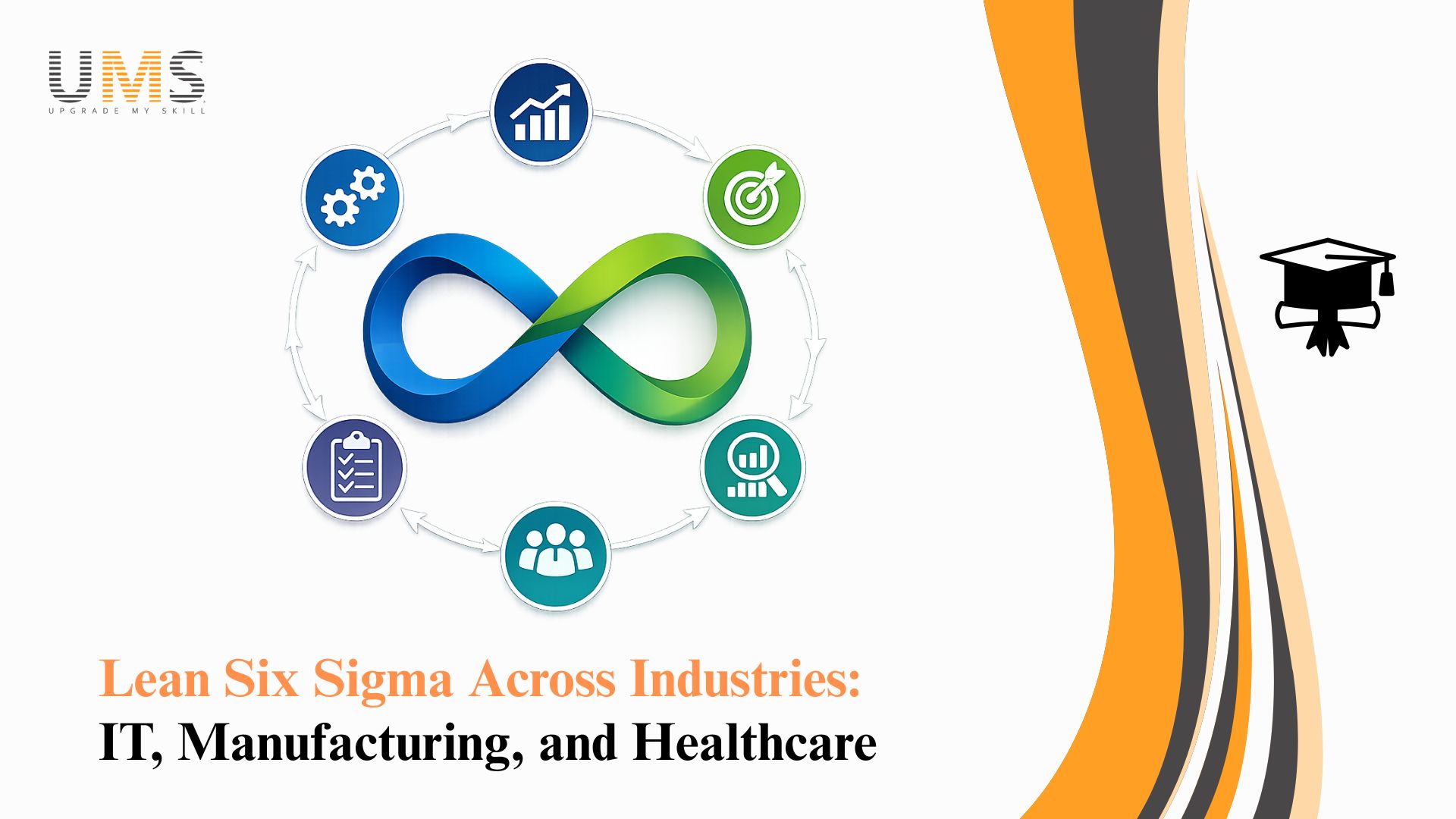
This article explores how Lean Six Sigma drives operational excellence across IT, manufacturing, and healthcare by improving...