- Posted By Admin
- Jan 31, 2025
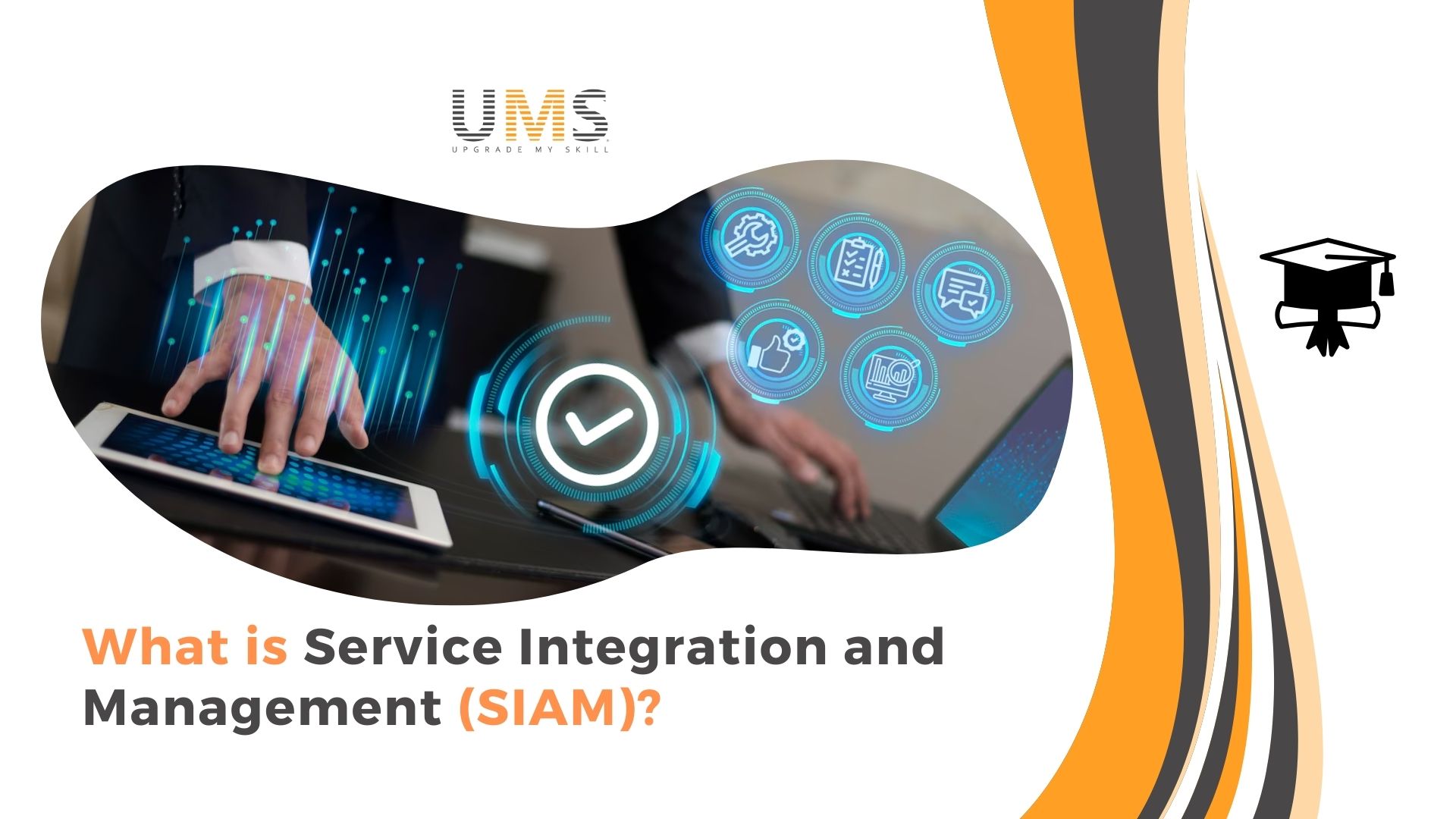
In the digital age, organizations are heavily reliant on external service providers for a wide array of IT and business needs. This dependency on multiple vendors has become necessary to ensure specialized, high-quality services are delivered in a cost-effective manner. However, managing this complex web of service providers presents a significant challenge. This is where Service Integration and Management (SIAM) steps in.
SIAM is a methodology designed to simplify and optimize the integration of services from multiple providers. It ensures that these services work cohesively, aligned with the organization’s goals and delivering a seamless user experience. SIAM helps businesses handle the complexities of multi-supplier environments, where each provider delivers different services, from IT support to cloud solutions and cybersecurity.
The Evolution of IT Service Management (ITSM) Traditional ITSM frameworks, such as ITIL, have been pivotal in managing IT services within a single provider or internally within an organization. However, the growth of multi-vendor and multi-cloud ecosystems has led to a need for more comprehensive solutions. SIAM provides a structured approach to integrate and manage services across different suppliers, ensuring that despite the complexity, the business operates smoothly.
The Importance of SIAM in Modern Business Ecosystems As businesses embrace digital transformation and cloud adoption, the use of multiple service providers has become the norm. SIAM allows organizations to efficiently manage this multi-vendor landscape, ensuring that all services come together to meet the company’s strategic goals. The challenge of keeping services aligned and working towards a common objective can only be met through a well-implemented SIAM strategy.
Service Integration and Management (SIAM) is a strategic approach designed to integrate, manage, and oversee services from multiple external service providers to deliver a cohesive, high-quality, and efficient service experience to the end-user. This methodology ensures that services from different providers are not isolated but work together seamlessly, offering a unified service delivery that is easier for the organization to manage.
Distinguishing SIAM from Traditional ITSM Models Traditional IT Service Management (ITSM) methodologies, such as ITIL, focus on managing services within a single organization or a single service provider. However, SIAM is specifically designed to tackle the challenges of managing services from multiple vendors. It emphasizes coordination, integration, and governance across different service providers, ensuring that they collaborate effectively to meet the organization’s requirements.
Unlike traditional ITSM, which may treat service providers as isolated entities, SIAM ensures that all providers work in harmony. This makes it an essential framework for organizations that rely on more than one provider for different services, such as cloud services, IT infrastructure, software support, and cybersecurity.
Ensuring Seamless Service Delivery SIAM focuses on removing barriers between service providers, ensuring that all services are delivered as a unified solution. This seamless integration improves service quality, reduces downtime, and eliminates inefficiencies. For instance, when a business uses multiple cloud providers, SIAM ensures that the services are connected, data is shared efficiently, and the overall performance remains smooth and consistent.
Maximizing Value from Providers The multi-supplier environment allows organizations to choose the best-in-class solutions for each area of their business. However, it also risks creating silos where each provider works independently. SIAM ensures that each provider’s strengths are maximized, and resources are shared in a way that benefits the organization as a whole.
Improved Collaboration Across Providers SIAM encourages collaboration between service providers through clear communication channels, joint initiatives, and transparent processes. By fostering a culture of cooperation, SIAM helps eliminate the isolation between providers, ensuring that all teams work towards the same goals. For example, an IT service provider working alongside a cloud service provider must collaborate on data sharing, security protocols, and application support to deliver consistent and reliable services.
Service Integration Layer The Service Integration Layer is the backbone of the SIAM framework. It is responsible for ensuring that all service providers work together and that their services are effectively integrated into the organization’s broader IT ecosystem. This layer is responsible for overseeing the coordination between various service providers, managing the flow of services, and ensuring that there are no disruptions in service delivery. It acts as the central hub for communication, integration, and service monitoring. This layer ensures that any issues, whether technical or operational, are identified and resolved quickly.
Governance and Accountability Effective governance is a crucial component of SIAM. It ensures that there are clear roles and responsibilities defined for each party involved, including the service integrator, the service providers, and the customer organization. Governance models within SIAM can vary based on the complexity and scale of the organization. In a centralized model, a single service integrator manages all relationships with service providers, ensuring consistency and standardization. In a decentralized model, different departments or business units may handle relationships with specific providers, requiring a more collaborative and flexible governance structure.
End-to-End Accountability One of the most important aspects of SIAM is ensuring accountability throughout the entire service lifecycle. From the initial design and development to the operational delivery of services, SIAM ensures that all providers are held accountable for their contributions. End-to-end accountability includes managing every phase of the service delivery, including design, testing, deployment, and ongoing support. For example, a business may use an external cloud provider for hosting and a cybersecurity provider for data protection. SIAM ensures that both providers are held accountable for the quality of their services and that there is no overlap or conflict between their roles.
Service Integration Roles The Service Integrator is the central role in the SIAM model. This role can either be performed by an internal team or an external third-party organization. The Service Integrator is responsible for ensuring that service providers align with the organization's goals, meet SLAs, and work collaboratively. The Service Integrator is accountable for the coordination of all services, resolving any conflicts that arise between providers, and ensuring that all service-level agreements (SLAs) are met. They monitor performance, manage incidents, and escalate issues when necessary. Additionally, the integrator may perform strategic functions such as supplier selection and performance reviews.
Service Model Layers The SIAM service model consists of three primary layers: Customer Organization, Service Integration Layer, and Service Providers. The Customer Organization layer involves the organization’s internal teams who define business requirements, set expectations, and measure outcomes. The Service Integration Layer is the central hub for service coordination and monitoring. The Service Providers are the external organizations responsible for delivering specific services. Collaboration is essential in this structure, with centralized tools and platforms used to manage incidents, track performance, and ensure smooth communication between all stakeholders.
Improved Service Delivery SIAM enhances the overall service delivery by ensuring that services from multiple providers are integrated efficiently. The integration eliminates inefficiencies and redundancies, leading to improved service quality. For instance, a company that uses multiple cloud providers for different applications can ensure that data is shared between the providers smoothly, resulting in faster application performance and higher availability.
Transparency and Accountability SIAM enables organizations to monitor the performance of all service providers through centralized dashboards and reporting tools. This visibility helps identify issues early and take corrective actions promptly, ensuring that service levels are consistently met.
Cost Efficiency By streamlining processes and ensuring that resources are used efficiently, SIAM helps organizations reduce operational costs. Reducing redundant services and improving the allocation of resources allows businesses to save costs while maintaining service quality.
Cultural Differences Service providers often come from different cultural backgrounds, with varying work styles, expectations, and communication methods. These differences can create friction between teams, making it challenging to achieve the desired level of collaboration. To overcome these challenges, it is crucial to foster a culture of collaboration. Providing joint training sessions and encouraging regular communication helps bridge cultural gaps and ensure smoother cooperation.
Tool Integration and Compatibility Ensuring that the various tools and systems used by service providers are compatible can be a complex challenge. SIAM emphasizes the importance of selecting integration-friendly platforms and tools to reduce this friction.
In today’s multi-provider world, Service Integration and Management (SIAM) is the key to ensuring seamless, high-quality service delivery across your organization. SIAM empowers businesses to effectively coordinate and manage services from various providers, improving efficiency, reducing costs, and enhancing customer satisfaction. To truly harness the power of SIAM, consider obtaining professional certifications that equip you with the expertise to implement this methodology successfully. Upgrade My Skill offers top-tier SIAM Professional Certification and SIAM Foundation Certification to help you gain the knowledge and skills needed to excel in service integration. Let us guide you on the path to mastering SIAM and transforming your service management strategy today!
Service Integration and Management (SIAM) is an essential methodology for organizations navigating the complexities of multi-supplier environments. By providing a structured approach to managing multiple service providers, SIAM ensures that services are delivered cohesively, efficiently, and in alignment with the organization’s goals. As businesses continue to adapt to new technologies and digital transformation, SIAM will play a critical role in enhancing service delivery, improving customer satisfaction, and achieving operational excellence.
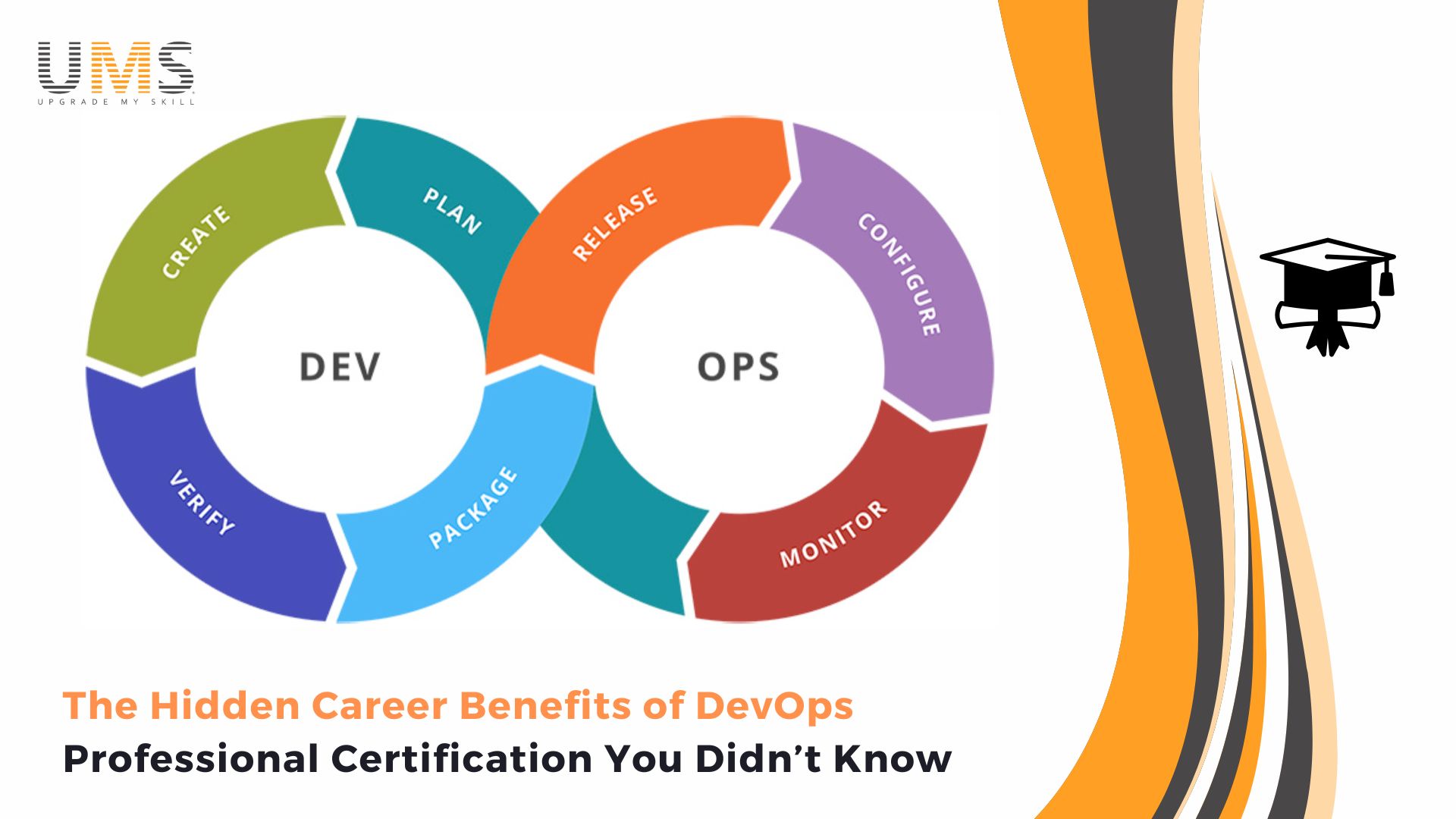
DevOps Professional Certification enhances leadership, strategic thinking, and cross-functional influence. In 2026, it empow...
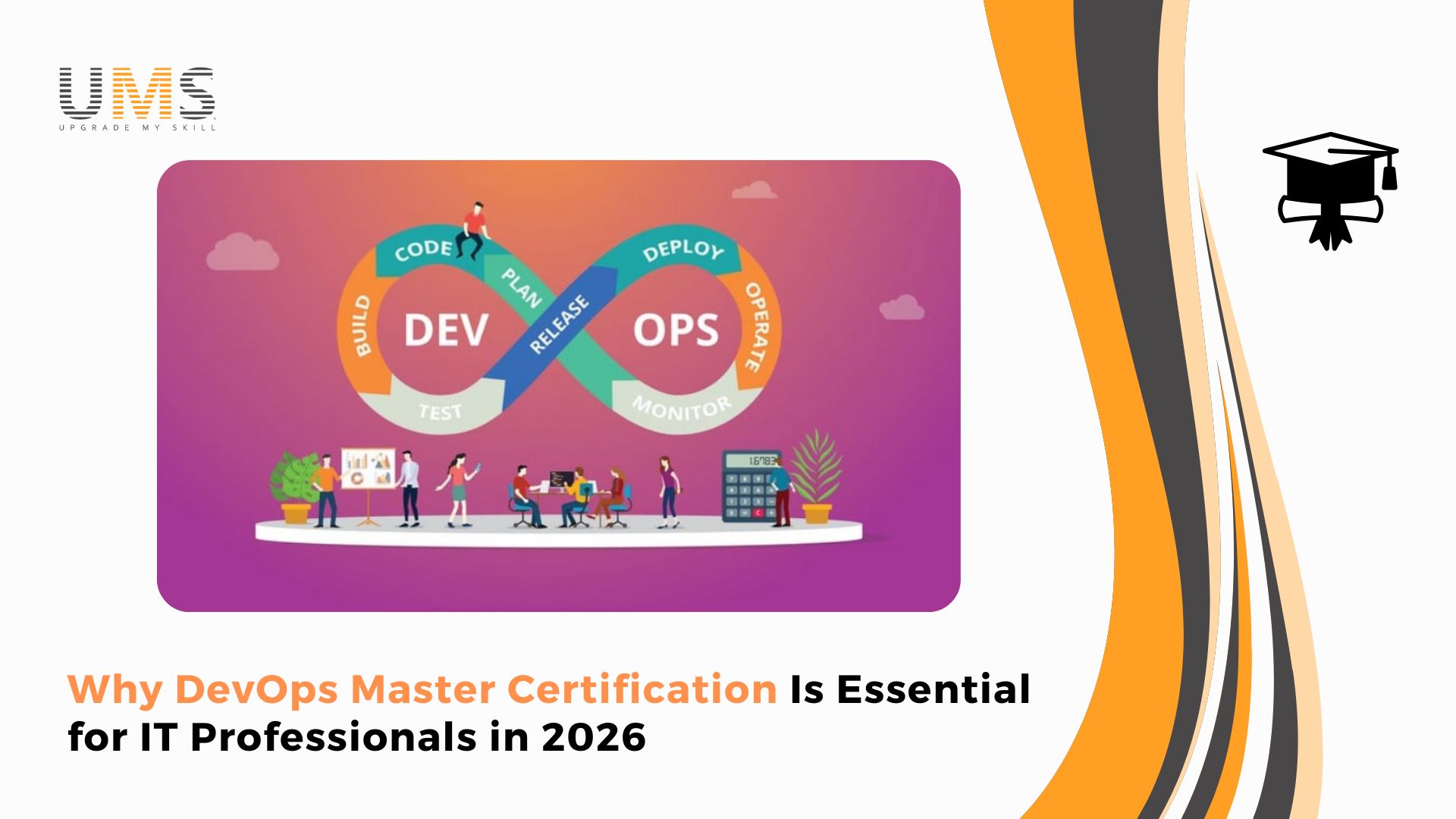
DevOps Master Certification equips IT professionals with advanced automation, cloud, CI/CD, DevSecOps, and leadership skills...
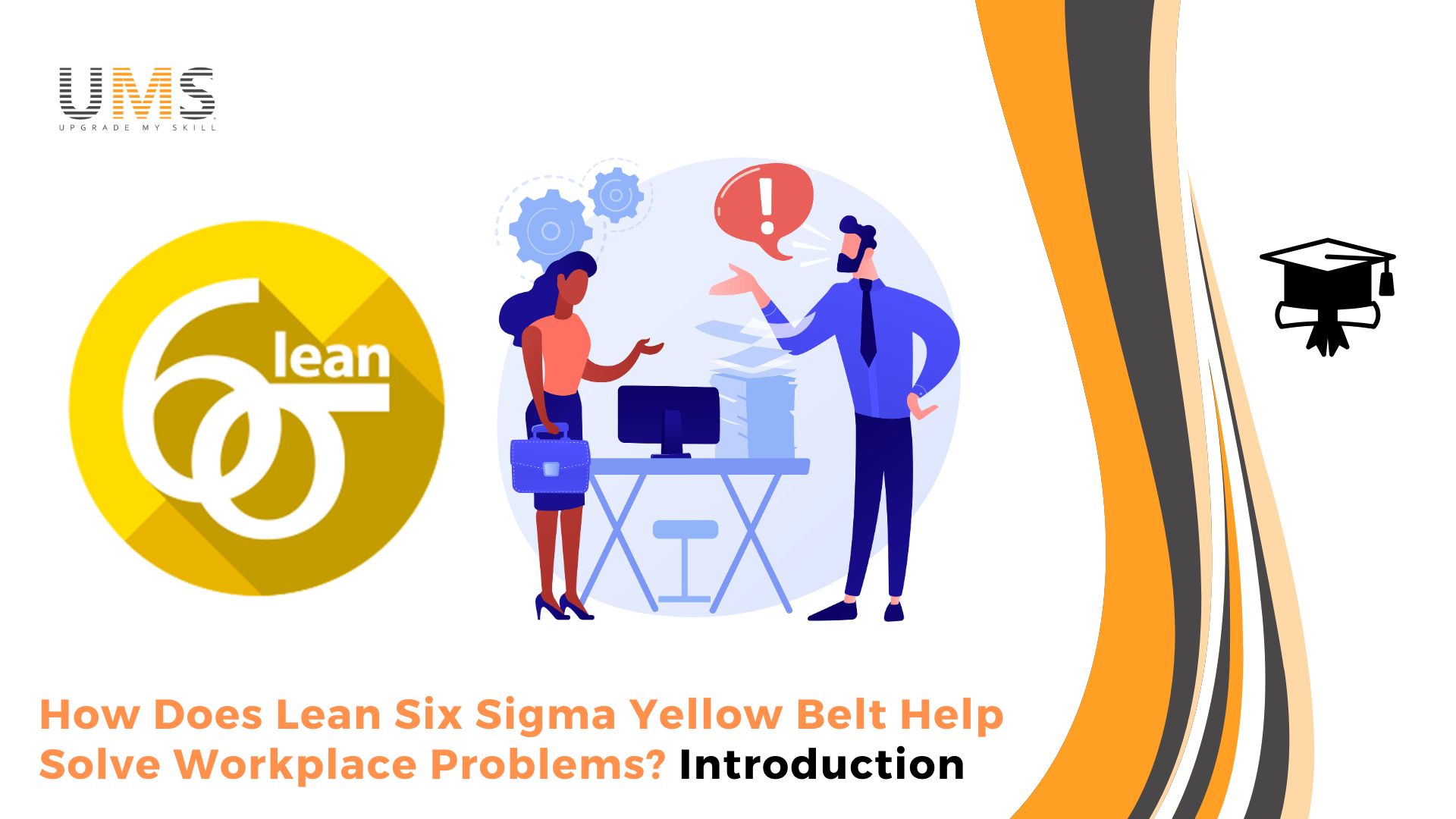
Lean Six Sigma Yellow Belt equips professionals with essential tools to solve workplace problems, eliminate waste, analyze r...